
Yi Yi (2000)
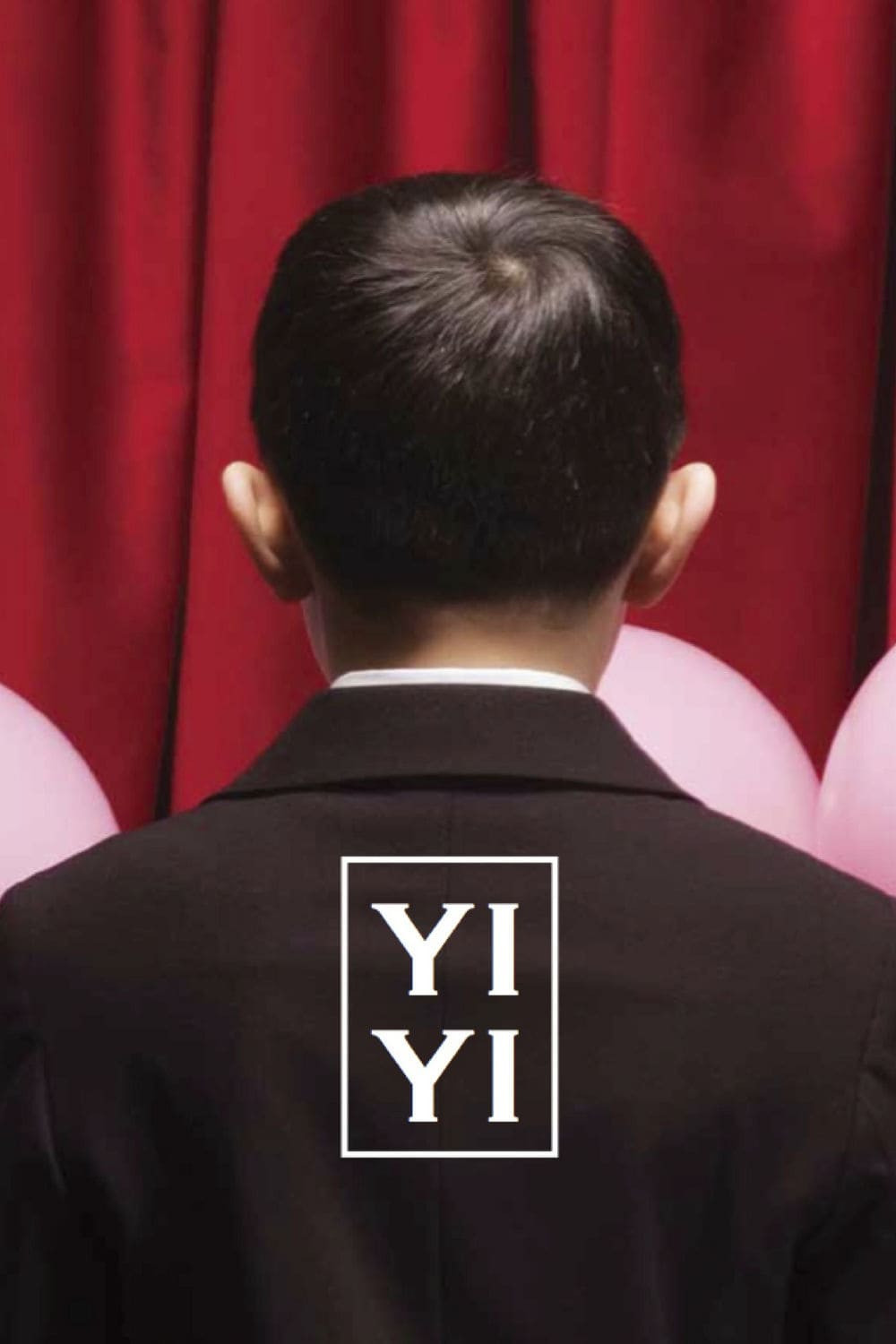
All fiction is deceitful. It asks boldly — unreasonably, even — that we suspend our acute knowledge of its counterfeit nature. That it succeeds in inspiring in us joy, or sorrow, or anything at all is, well, rather miraculous. The artists’ legerdemain is in constructing for us so plausible and complete a picture of their fictional world that our anxieties about its unreality are quietened, or set aside temporarily. There are rare moments when this sleight of hand is so perfect that it disappears entirely; then art becomes a perfect mirror of reality, reaching out from the modest boundaries of its medium to swallow the world whole.
Edward Yang’s Yi Yi does just this.
To say that Yi Yi follows roughly a year in the lives of a Taiwanese family is true, but this is the truth of accountants. It seems to me that to attempt a summary of its plot is a fool’s errand, or rather, it is to miss the point of the film entirely. (Of the meticulous stories of Julio Cortázar, Borges says something similar: “If we try to summarise them, we realise that something precious has been lost.”) Yang’s characters — lugubrious, impassive — may as well be us; their abortive loves, minor tragedies, and obscure resignations, neatly bookended by a wedding and a funeral, may as well be ours.
At the film’s close, each character’s arc is perfectly balanced. Each shot is composed with delicate and loving attention to detail. This must have been a difficult film to make. How did Yang do it? I like to think one of the minor characters, Mr. Ota (played masterfully by Issey Ogata) tells us. He shows NJ (We Nien-jen) a card trick he learned as a boy, and when prompted to explain how he did it, clarifies that there is no magic at all; he just knows where all the cards in the deck are.
There are no tricks. I believe this, sincerely. Although I suspect, when I revisit this film, I will still look keenly for them.