
La Gradiva (2026)
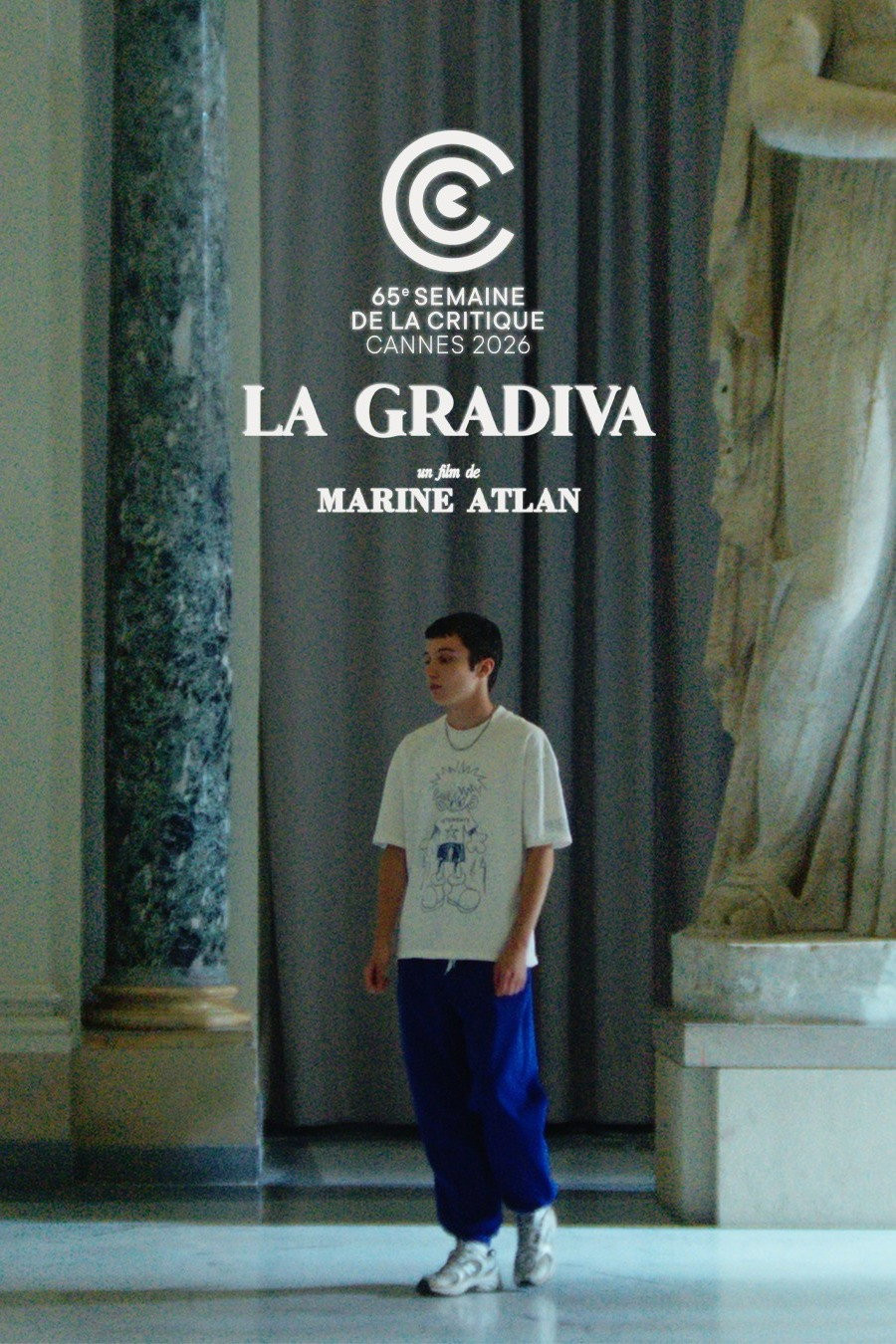
La Gradiva takes its name from an early twentieth century novella titled Gradiva: A Pompeiian Fancy (1902) by Wilhelm Jensen. Like its namesake, the bulk of the action in this film takes place amid the ruins of Pompei, where a teacher named Ms. Mercier (sharply and sympathetically played by Antonia Buresi) chaperones a field trip of French high-school students.
The students — in many delightful and enjoyably written scenes that feature them conversing with each other, their teachers, or interacting with the world around them — are eminently recognisable; over the past few years, I have taught groups of students similarly constituted, each among them bursting with a youthful energy, intelligent, irreverent, playful, some more given to brooding than others, and yet not often sure of themselves and the unsteady first steps they take in adult life and love. The scenes where Mercier drags her class kicking and screaming towards an appreciation of geology, history, and art were a delight to watch, perhaps because they so reminded me of my own experiences.
James (Capellier-Audat) is a charmer, and shares a deep friendship with Toni (Quignard), and the nature of this friendship forming a source of tension between the two. For Toni, this field trip is a homecoming: he reveals early in the film that his grandmother was a maid to an aristocratic Italian family, and it was there that she met and fell in love with his grandfather. Toni’s mother has led him to believe that his grandfather perished soon after she was conceived, crushed under the rubble that the castle was reduced to during an earthquake. Toni chances upon the castle that ought to have been destroyed, and Suzanne (Gerin), a quiet classmate given to a gloomy solitude, accompanies him to investigate. There, aided by a rather cruel Suzanne, Toni comes to question the story he was told. From then on, to borrow from Jensen’s novella, “he was moved by an indefinite feeling that everything was growing darker and darker about and within him.”
Unlike Jensen’s novella, the film does not end happily. It is nevertheless a delicate, charming, and ultimately sublime film.